What Is Phishing Threat Intelligence?
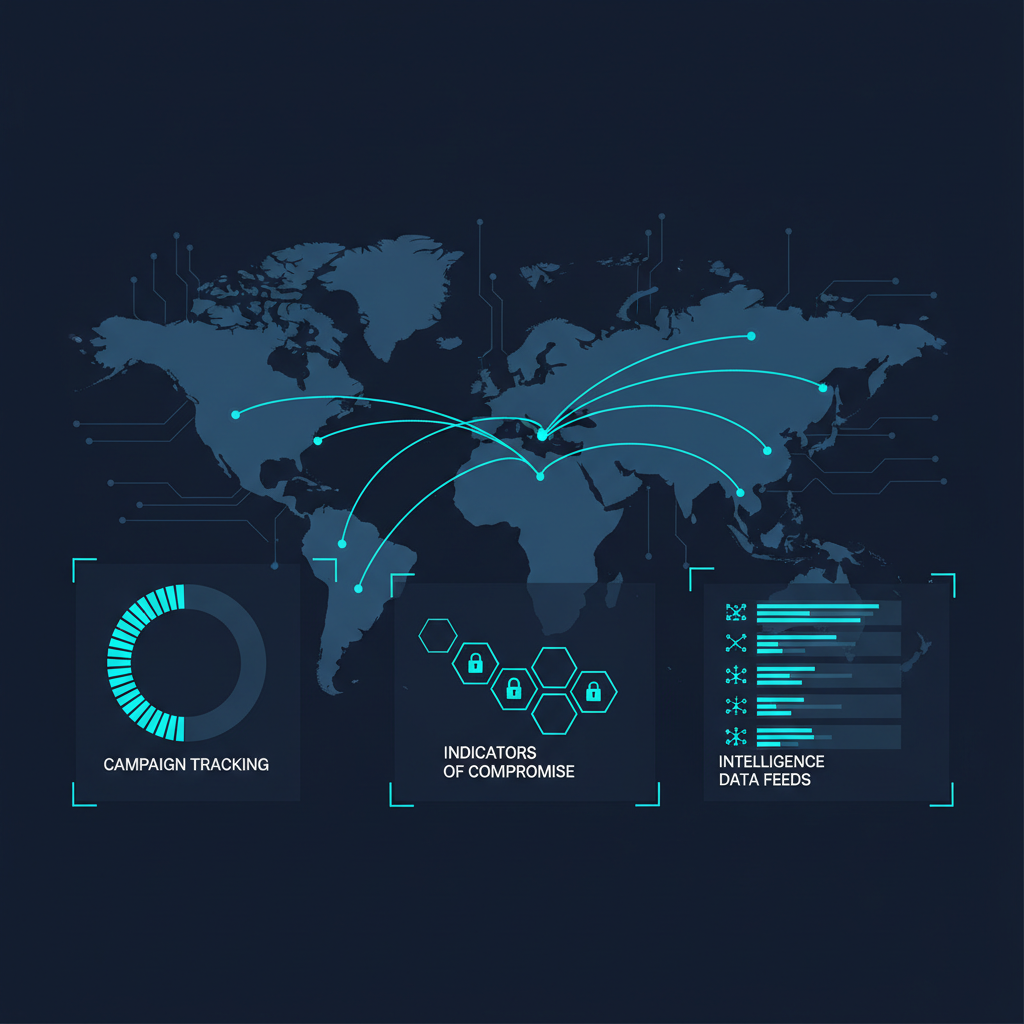
Phishing threat intelligence is the collection, analysis and distribution of information relating specifically to phishing attacks. Unlike general threat intelligence, it focuses on the tactics, infrastructure and campaigns attackers use to compromise organisations.
Rather than relying on historical indicators and static data, phishing-specific intelligence is continuously enriched through real-world emails reported by users worldwide, giving teams visibility into emerging campaigns as they develop.
Cofense Intelligence provides this context, helping teams act decisively against emerging threats and attacker techniques.
Phishing intelligence focuses on
Why Traditional Threat Intelligence Is Often Not Enough
General threat intelligence feeds cover malware, botnets and vulnerabilities. While valuable, they offer limited visibility into phishing-specific threats, and many rely on stale, automated or synthetic data that cannot keep pace with rapidly evolving phishing campaigns.
Phishing attacks move quickly. Campaigns may appear and disappear within hours, use compromised business accounts, leverage legitimate cloud services, and target specific industries or exploit current events.
Only live, human-verified intelligence, derived from real phishing emails that have bypassed SEGs and native cloud filters, can provide the ground-truth visibility teams need.
Phishing-focused intelligence provides visibility into these rapidly evolving attack techniques that general threat feeds miss entirely.
Phishing campaigns increasingly involve
AI-Generated Phishing
Attackers use artificial intelligence to create convincing and personalised phishing content that bypasses traditional controls.
Learn more about AI PhishingBusiness Email Compromise
Criminals impersonate executives, suppliers and trusted contacts to initiate financial fraud and data theft.
Learn more about BECQR Code Phishing
Attackers embed malicious QR codes in emails to bypass traditional link-scanning security controls.
Learn more about QuishingExecutive Impersonation
Highly targeted attacks designed to exploit trust and authority within organisations.
Learn more about Whaling Phishing AttacksWhat Information Does Phishing Threat Intelligence Provide?
Effective intelligence covers phishing IOCs, malicious domains, URLs and sender addresses, alongside campaign analysis and insight into attacker behaviour.
Domains
Malicious sending and hosting infrastructure
URLs
Credential harvesting and phishing landing pages
IP Addresses
Attack infrastructure and sending sources
Sender Addresses
Impersonation and BEC sender identities
File Hashes
Malicious attachment signatures
Campaign Analysis
Objectives, targets, delivery methods and infrastructure
Phishing Campaign Detection and Threat Correlation
Modern phishing rarely targets a single user. Intelligence helps identify related emails, correlate IOCs and uncover broader campaigns targeting multiple employees and departments.
Rather than investigating emails in isolation, teams gain visibility into attacker activity through intelligence-driven threat hunting and response.
Phishing Triage & ResponseReported Email
IOC Extraction
Campaign Correlation
Threat Intelligence
Analyst Investigation
Mailbox Remediation
Organisation Protected
Benefits of campaign-level intelligence
Campaign Visibility
Understand the full scope of active campaigns and connect related indicators across reported emails.
Faster Investigations
Resolve hundreds of related emails as a single investigation rather than individual incidents.
Faster Remediation
Identify and remove related threats across affected mailboxes simultaneously.
Enhanced Threat Context
Gain deeper understanding of attacker behaviour, objectives and targeting patterns.
How Phishing Threat Intelligence Supports Detection and Response
Intelligence enriches every stage of the detection and response lifecycle, from initial detection through to triage and remediation, integrating with SOC, SOAR and SIEM workflows.
Improve Detection
Identify campaigns earlier using known indicators and emerging attack patterns.
Accelerate Investigations
Provide context during incident response to speed up analyst decision-making.
Strengthen Remediation
Identify all affected users and messages, and reduce response times during active incidents.
Track Emerging Trends
Stay ahead of new phishing techniques before they become widespread.
Support Automated Investigation
Enrich automated triage and investigation workflows to improve response accuracy.
Phishing Threat Intelligence and Microsoft 365
Microsoft 365 is one of the most heavily targeted business platforms. Attackers regularly exploit Outlook, Teams, SharePoint and Microsoft credentials.
Threat intelligence complements Microsoft Defender and other email security technologies by providing visibility into the campaigns, credential theft techniques and infrastructure that bypass preventative controls.
The Role of User Reporting
Employees frequently identify suspicious emails before automated systems do. Each reported email contributes to a broader understanding of attacker behaviour, emerging campaigns and evolving social engineering techniques.
Continuous Intelligence Feedback Loop
User-reported emails feed directly into threat intelligence workflows, creating an organisation-specific view of the phishing threats actively targeting your people.
Microsoft Defender
- Blocks known attacks
- Email filtering
- Malware detection
- URL protection
Threat Intelligence
- Campaign visibility
- Threat correlation
- Attacker infrastructure
- Investigation context
- Emerging phishing techniques
Threat intelligence complements Microsoft Defender by helping analysts understand campaigns that successfully bypass preventative controls.
Phishing Threat Intelligence as Part of a Unified Phishing Defence Strategy
Phishing threat intelligence delivers the greatest value when integrated with phishing reporting, automated investigation, remediation and phishing incident response workflows.
Together these capabilities create a continuous, intelligence-driven workflow, improving resilience against evolving threats rather than treating incidents as isolated events.
How Cofense Supports Phishing Threat Intelligence
Wise Fish is part of Wise Distribution, the UK distributor for Cofense. What makes Cofense Intelligence different is its source: millions of real-world phishing emails reported by users worldwide, every day.
This human-validated intelligence goes beyond generic threat feeds, providing actionable, phishing-specific context that generic sources cannot match.
Real-World Intelligence
Intelligence derived from millions of phishing emails reported by users globally, not static feeds.
Human Validation
Experienced analysts add context and confidence when assessing sophisticated attacks and emerging threats.
AI-Powered Analysis
Automated pattern correlation identifies suspicious indicators and accelerates campaign identification.
Related Cofense Technologies
Together these technologies form a complete intelligence, triage and remediation workflow.
Cofense Intelligence
Live, human-verified phishing threat intelligence platform
Learn moreCofense Triage
Automated phishing investigation and prioritisation
Learn moreCofense Vision
Inbox search and email remediation
Learn moreReport Phishing Outlook
One-click employee phishing reporting for Outlook
Learn morePhishing Threat Intelligence FAQs
Why Choose Wise Fish?
UK Authorised Cofense Distributor
Official UK distributor delivering Cofense phishing defence solutions.
Microsoft 365 Specialists Partners
Deep expertise securing Outlook, Teams and Microsoft 365 email.
Enterprise Phishing Expertise
Years of experience helping SOC teams strengthen defences.
Support for MSPs & Resellers
Dedicated partner programmes for MSPs and reseller organisations.